SAMPLE PASSPORTPRODUCT SYSTEM / DRAFT
FAMILYDTF SYSTEMSAMPLETEST CONTEXTSPECSKU REVIEWCARTONDATA CHECK

Source DTF transfer film, hot melt powder, DTF ink and UV DTF materials. Compare product specifications, then request a quote or sample for your printer, application and destination.
FOR CHANNEL BUYERS · IMPORTERS · PRODUCTION SHOPS
Record printer, substrate, curing and peel conditions so the sample has a useful reference for later review.
Widths, grades, colors, bottle formats and compatibility questions stay attached to the selected product family.
Carton dimensions, gross weight and CBM are checked by SKU before a commercial quote is issued.
HS references, SDS/MSDS status and route-specific requests are reviewed against source records.
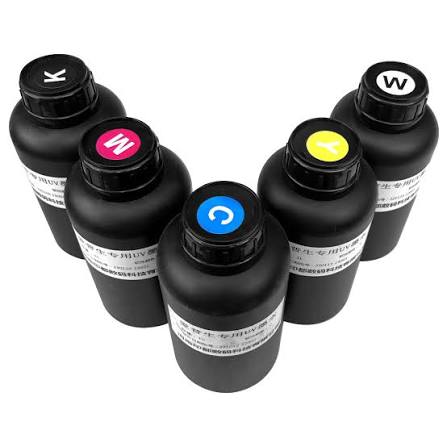
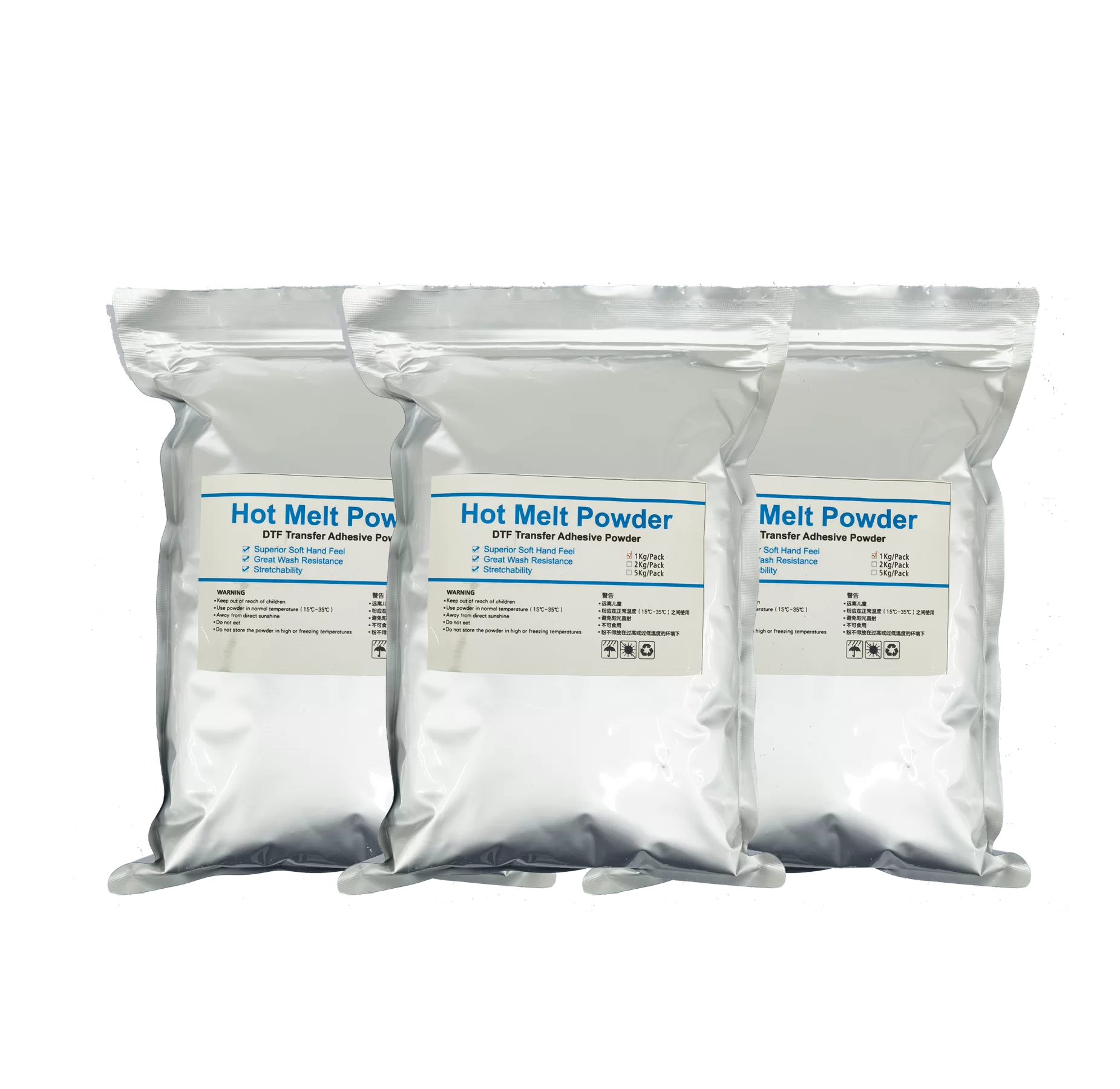
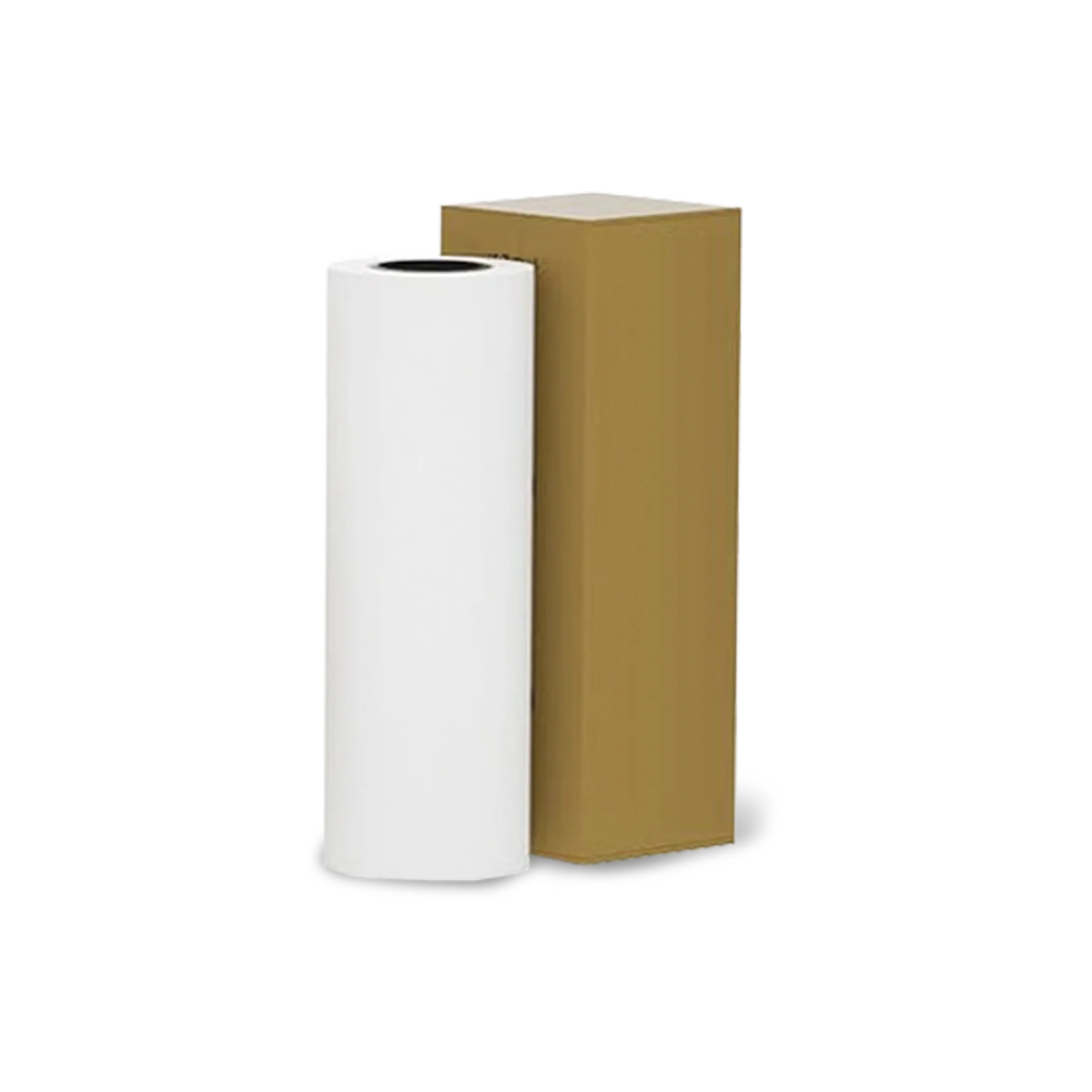
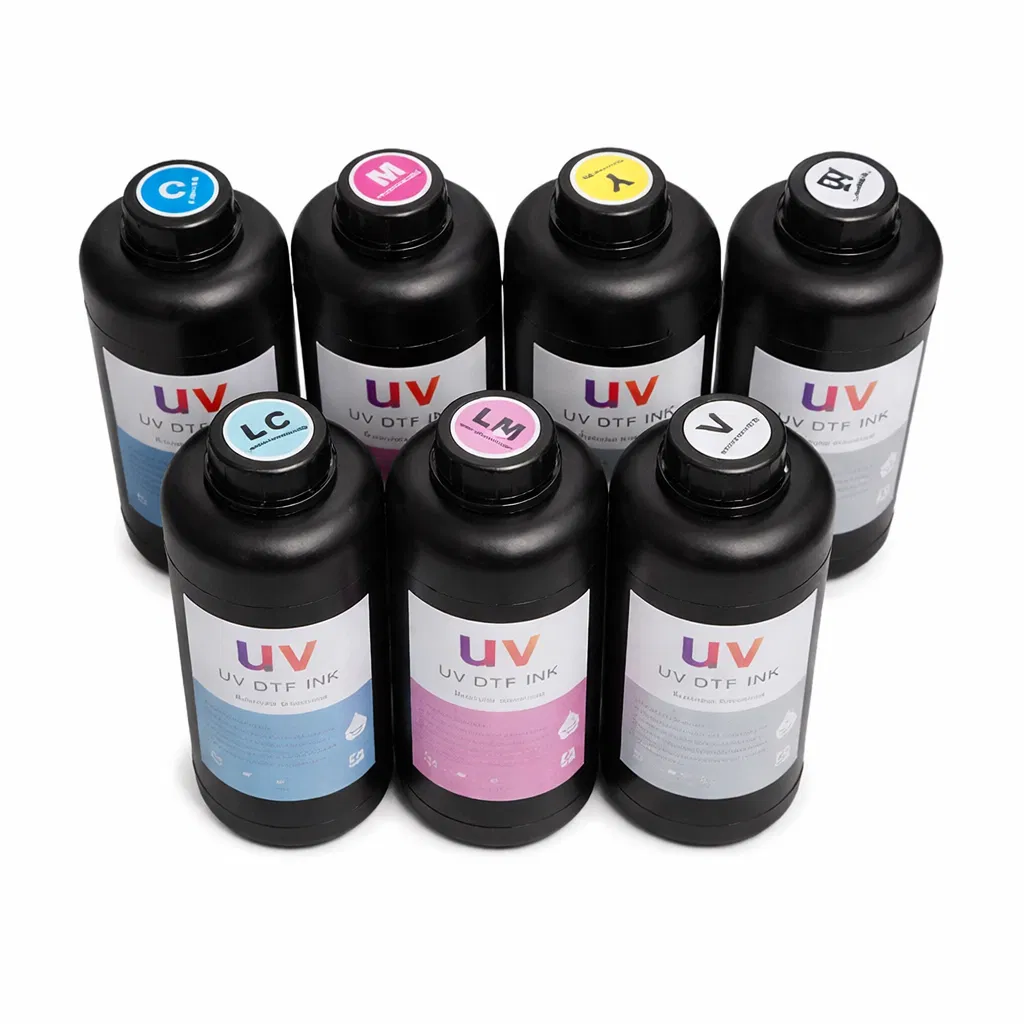
Browse film, powder and ink for textile transfers, UV DTF materials for hard surfaces, and printer cleaning supplies.
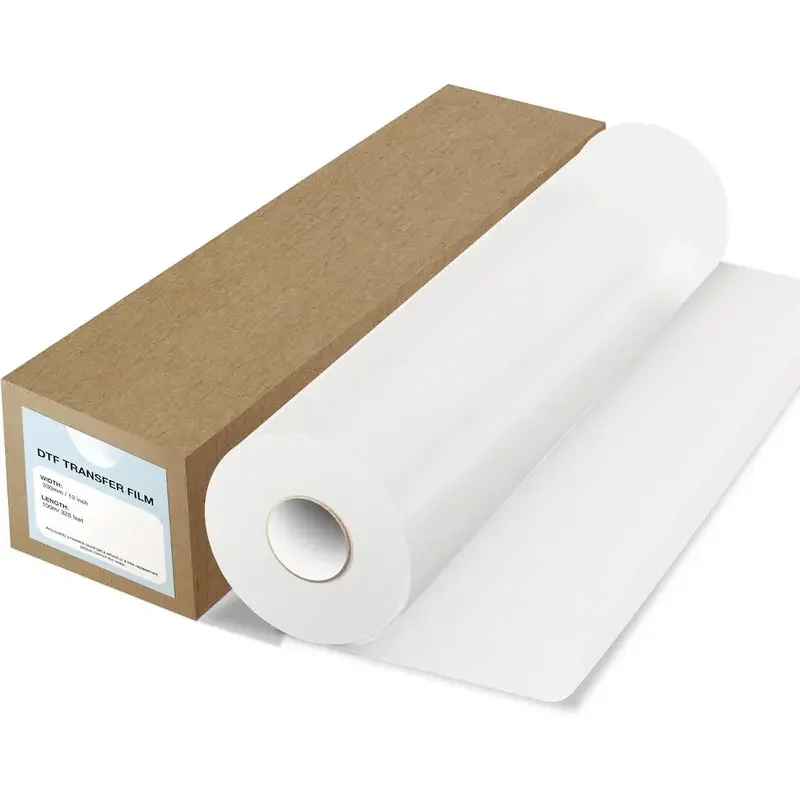
Film, hot melt powder and DTF ink reviewed as one production workflow.
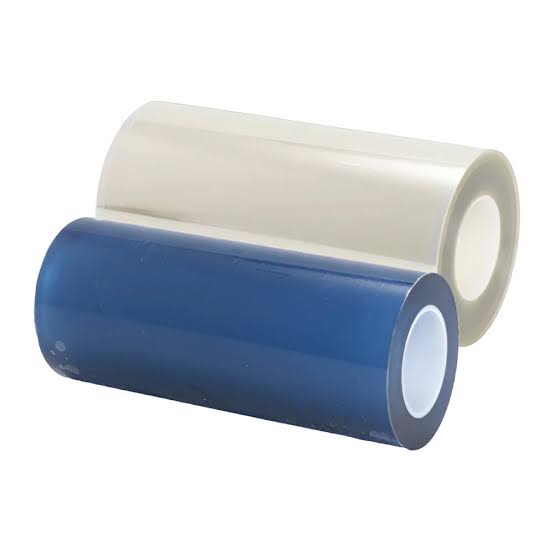
AB film and UV DTF ink aligned to the printer, label format and target surface.
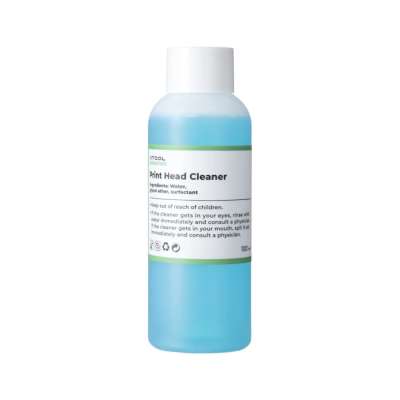
Cleaning solution scoped to the ink system and maintenance routine.
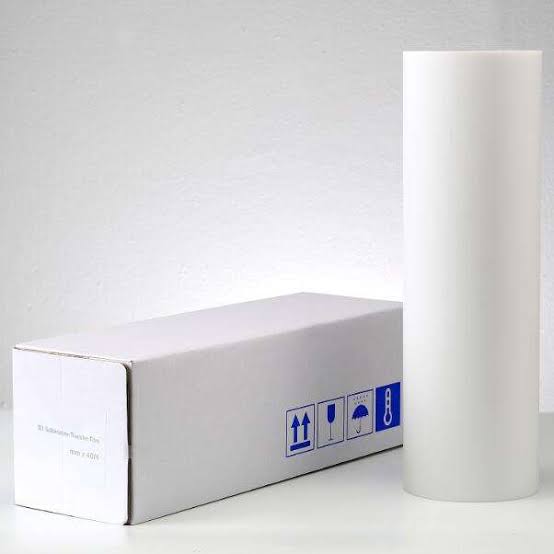
UV flatbed ink and sublimation film kept separate from the core DTF system.
Each review point asks for source records or buyer test context. Availability, commercial terms, certification and timing remain subject to human confirmation.
How collaboration worksFilm coating, powder grade and ink batch references are checked before sample matching.
Printer model, film width, ink system and curing condition are recorded.
Hot/cold peel, hand feel and edge detail are compared against buyer use case.
Carton mark, gross weight, CBM and mixed-SKU packing are reviewed before quote.
SDS/MSDS status, HS references and commercial document notes are checked against source records.
Use-case images organize the conversation; they do not replace testing on the buyer’s actual printer and substrate.
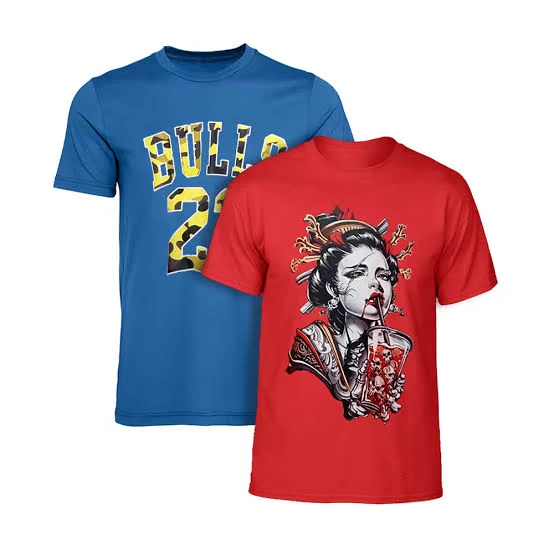
T-shirts, hoodies and uniforms with repeat color expectations.
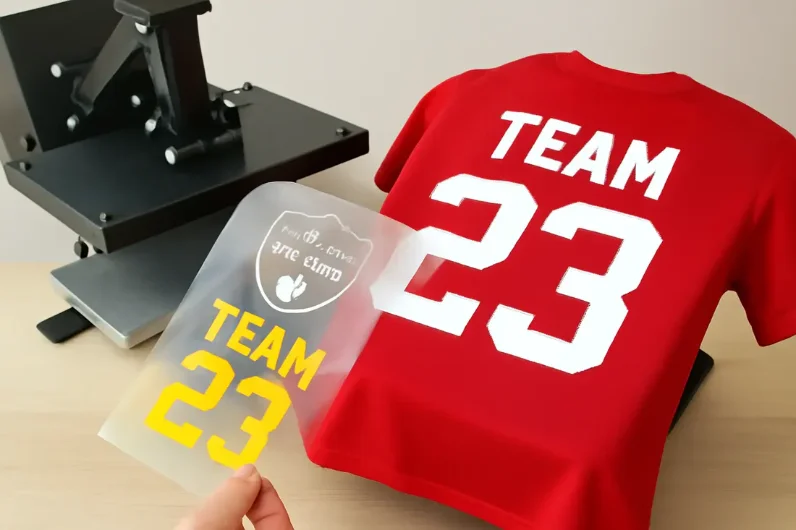
Team names, numbers and fast-turn customization.
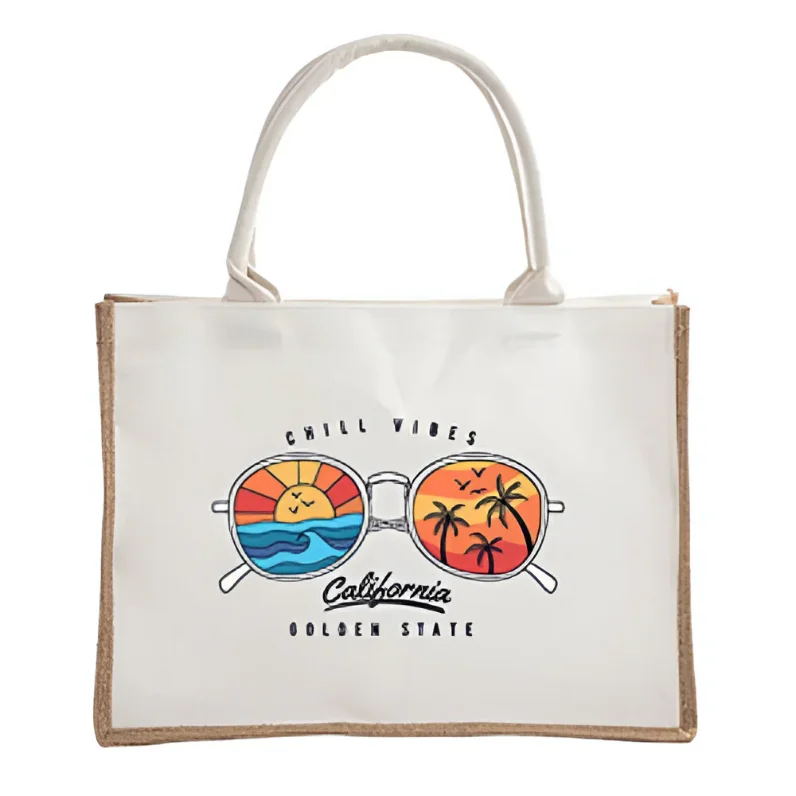
Canvas, nylon and promotional bags for distributor projects.
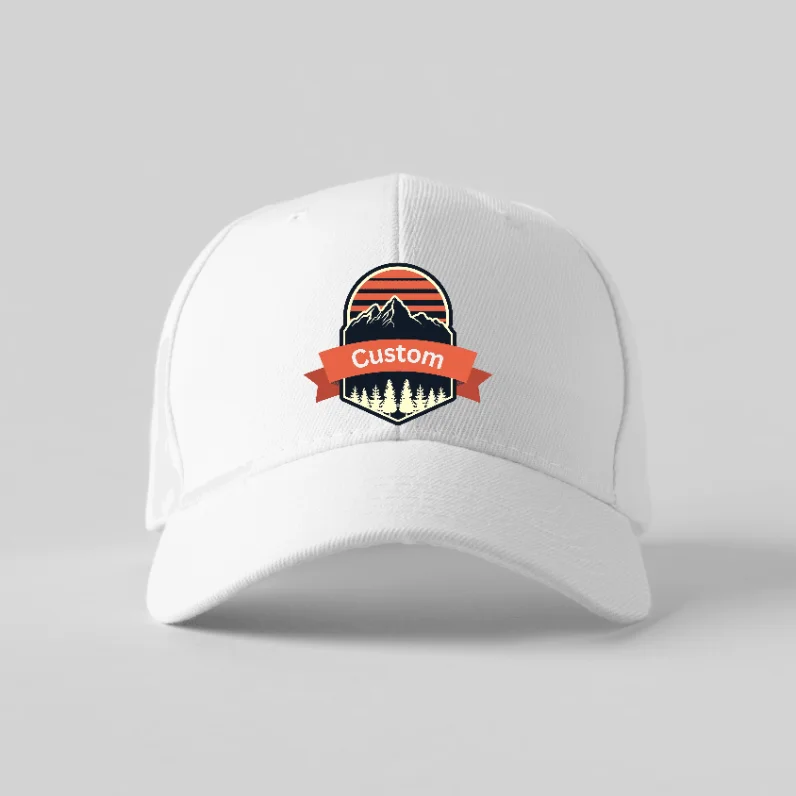
Small-area transfers where film release and edge detail matter.
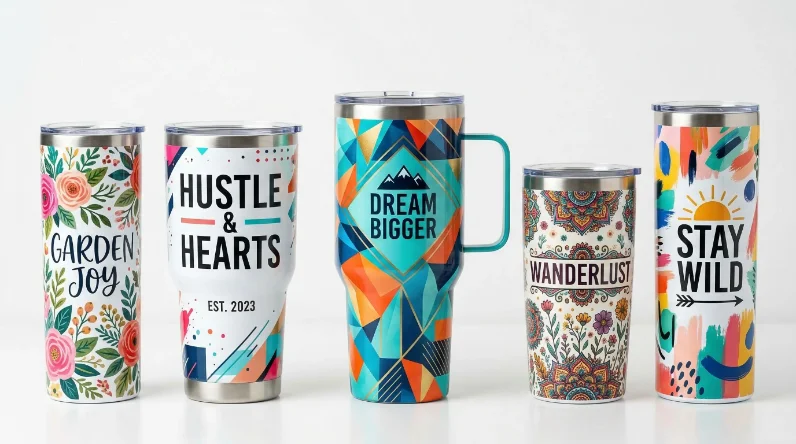
UV DTF stickers for cups, tumblers and drinkware.
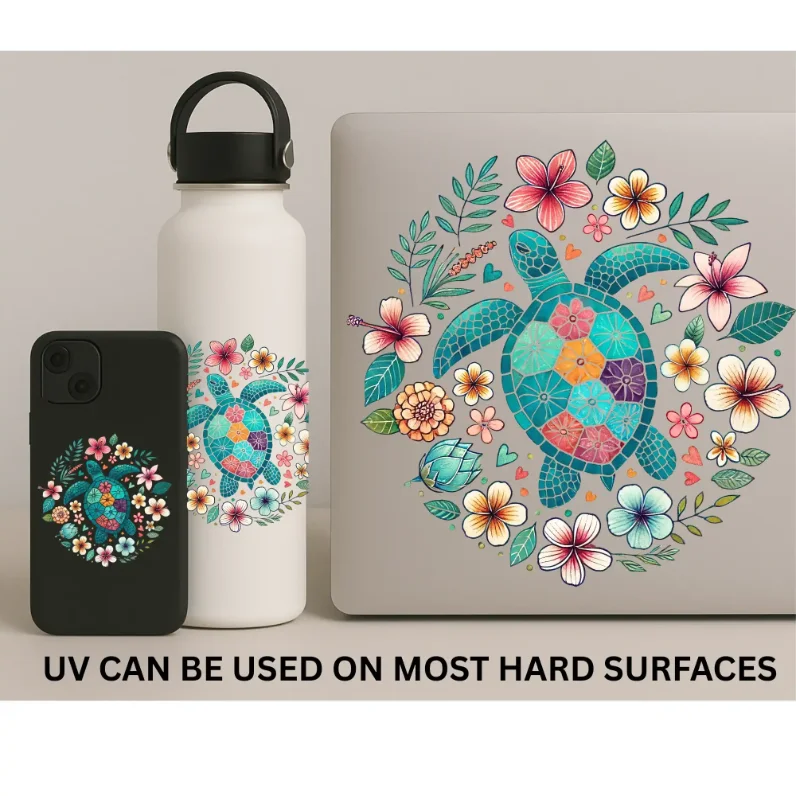
Acrylic, metal crafts, phone cases and retail gifts.
Yes. Start the RFQ with your printer, substrate and target product. Sample format, availability and freight are confirmed for the exact request.
MOQ is reviewed by exact SKU, packing format and current supply conditions. It is confirmed during human commercial review, not promised as a fixed website number.
Include the required bag, roll-core, label or carton format in the RFQ. Feasibility and artwork requirements are confirmed before quotation.
Ask for the exact documents your route requires. Packing data, HS references and SDS/MSDS status are checked against the selected SKU before they are shared.
Send the batch reference, photos and recorded test conditions. The case is reviewed against the approved sample record before any corrective action is agreed.
TPU vs polyamide (PA) hot melt powder for DTF: how the adhesive chemistry affects hand feel, stretch, wash and curing, and what to confirm before a bulk order.
Read noteDTF white ink settles because its titanium-dioxide pigment is heavier than the carrier. A short daily agitation and cleaning routine keeps it in suspension and prevents printhead clogging.
Read noteA stage-by-stage guide to diagnosing UV DTF crystal-label failures — A-film cure and release, B-film lamination, transfer application and surface prep — with a matched A+B film system as the fix.
Read noteThe RFQ keeps selected catalog products attached to the inquiry and leaves unverified details for human review.